Dynamic identification
Fast, accurate and highly effective tests for the global characterisation of structural behaviour.

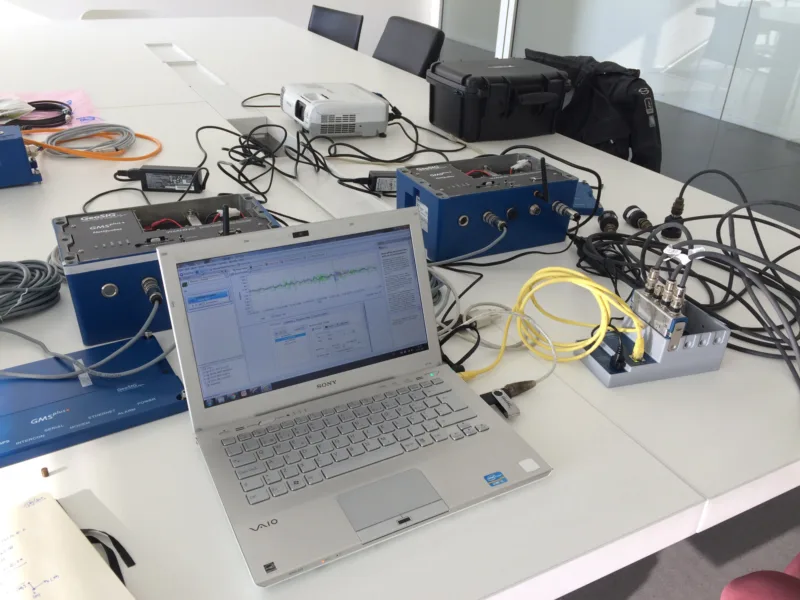
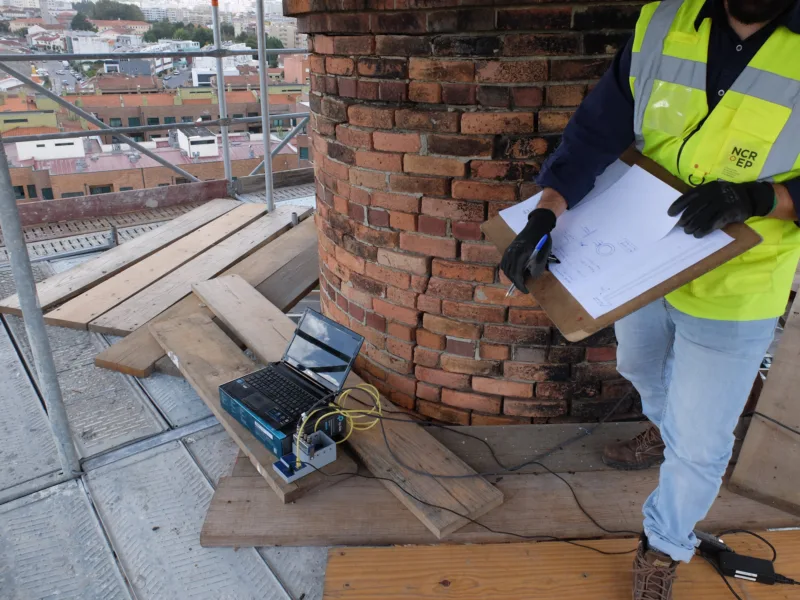
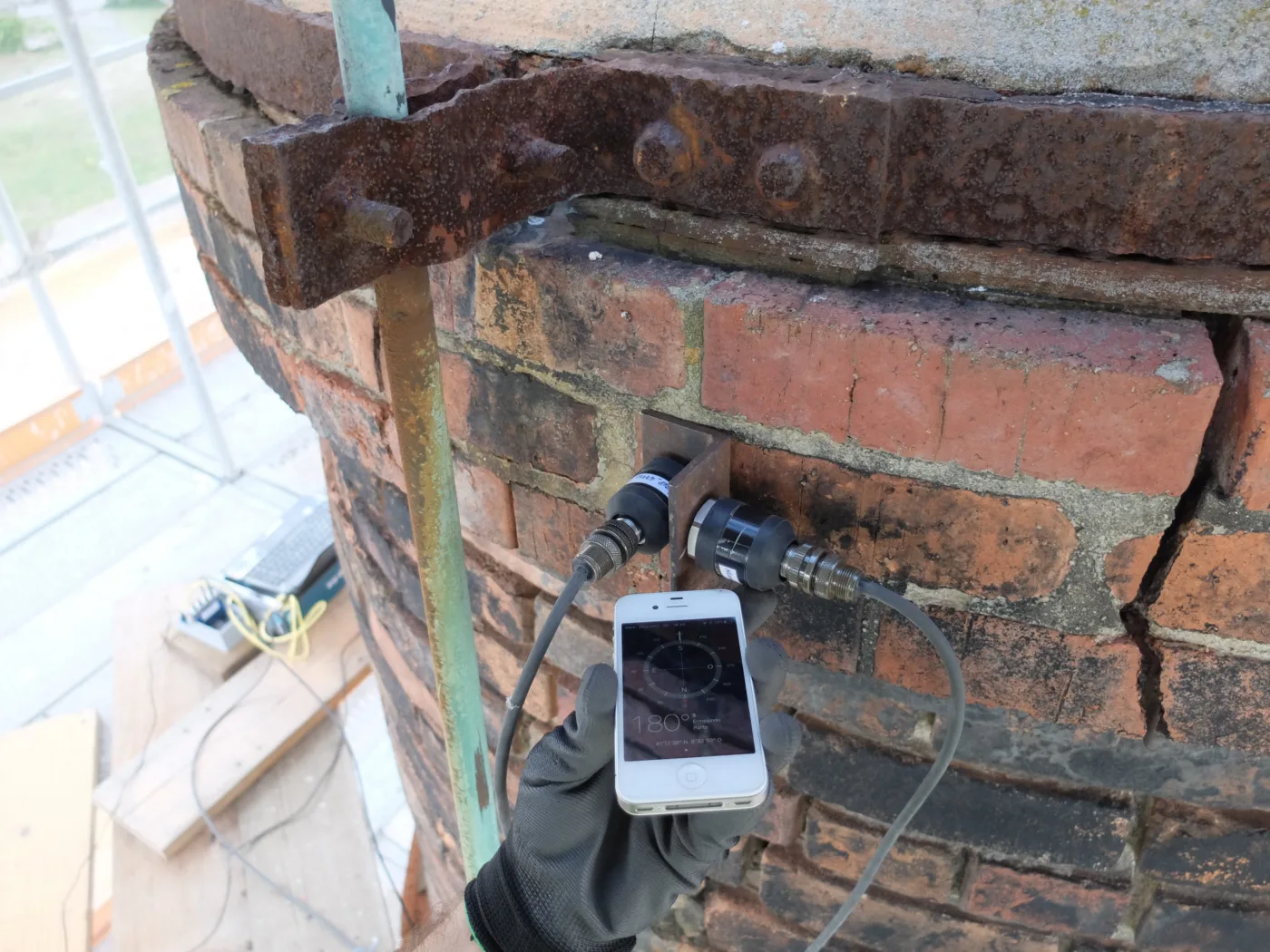
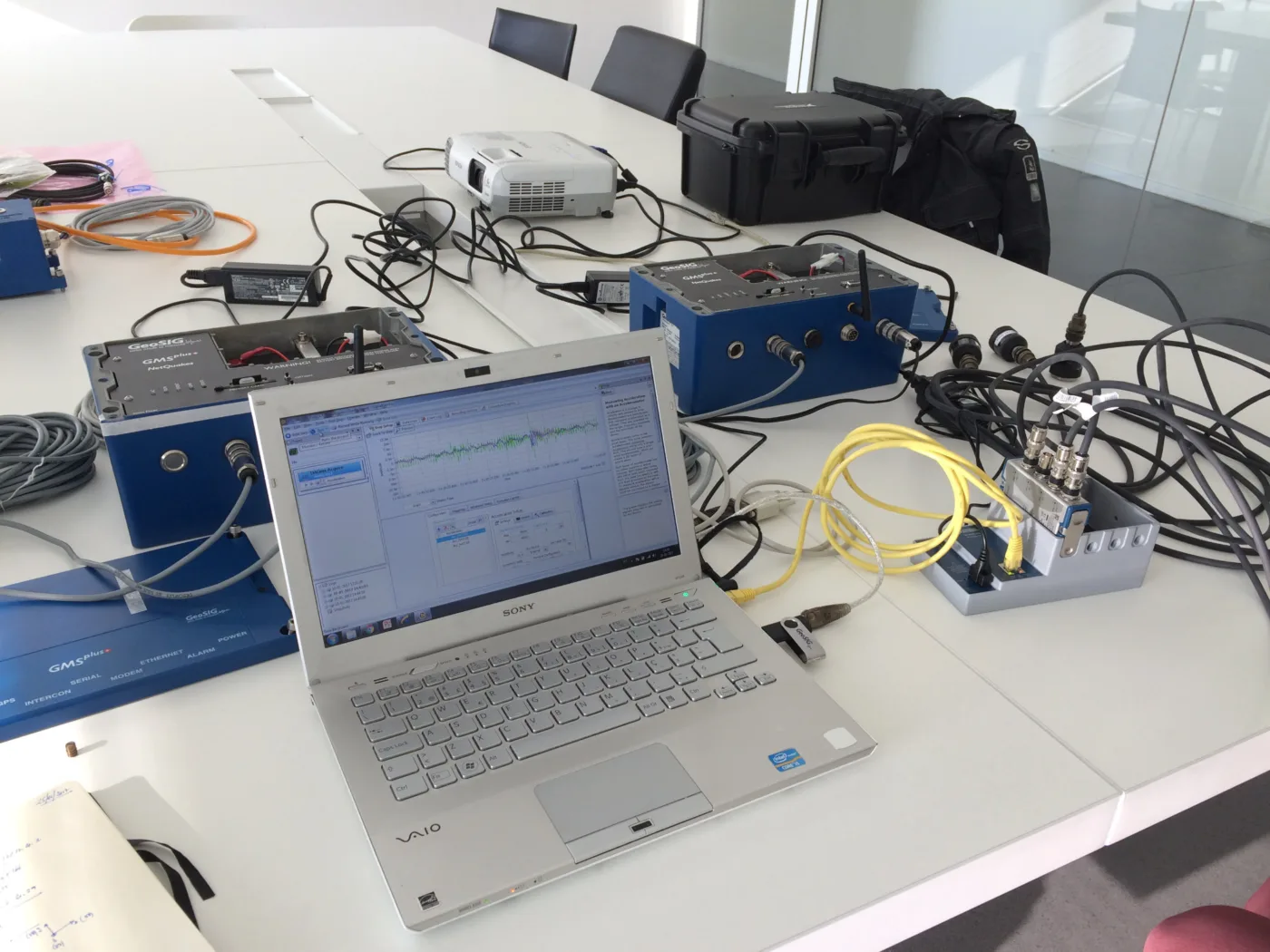
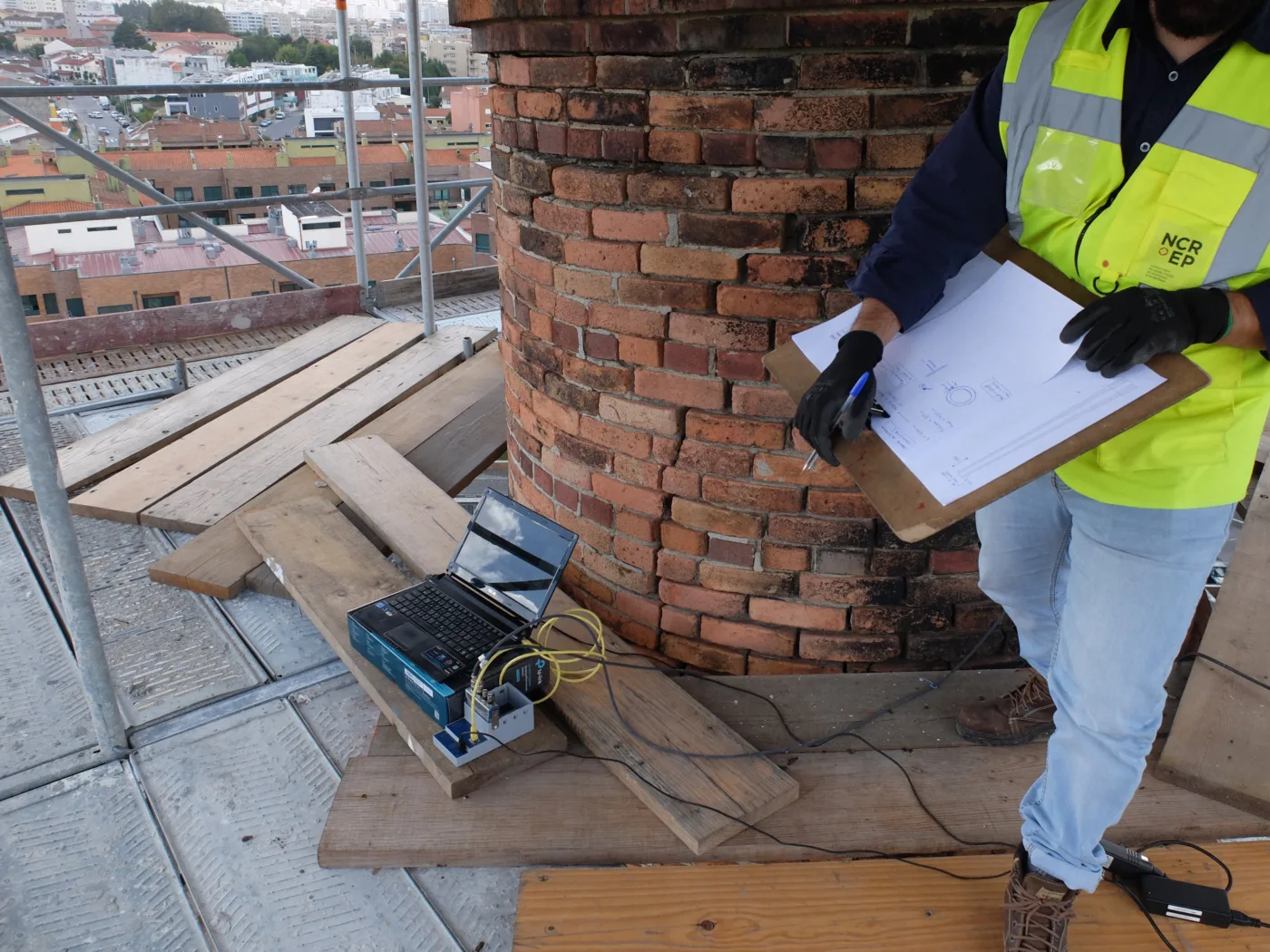
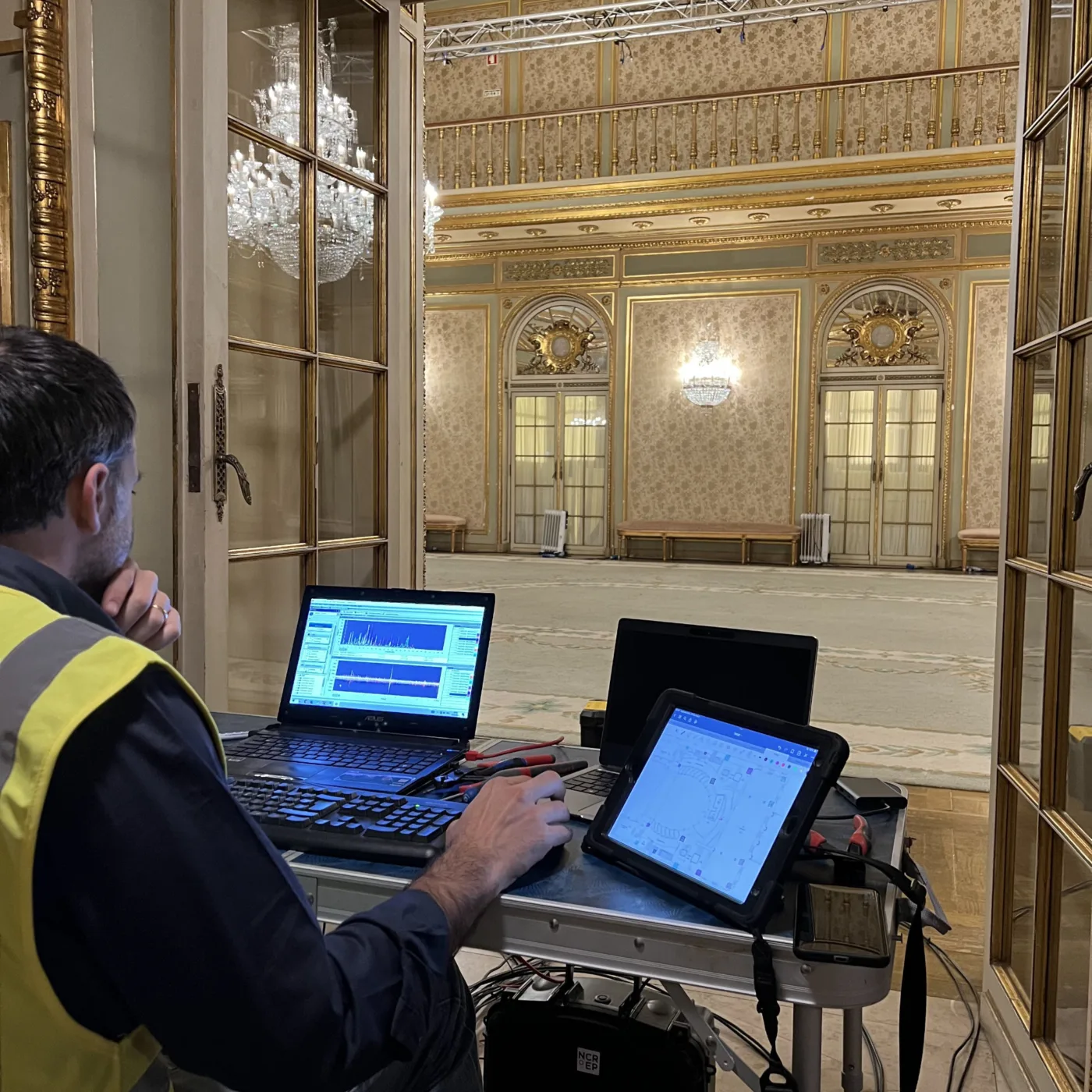
Dynamic identification tests analyse the natural vibratory response of a structure, induced by environmental vibrations or controlled excitations, to determine parameters such as natural frequencies, mode shapes and damping.
Non-invasive method
Fully non-invasive and rapid tests, relying solely on the structure’s natural vibrations, without the need for additional loads, drilling or disruption of normal use, providing a comprehensive and reliable assessment of structural performance.
Detection of structural weaknesses
Allow the detection of structural weaknesses, such as stiffness changes, degradation or damage, even before these become visible.
Essential data of structural behaviour
Provide an accurate characterisation of structural behaviour and supply essential data for the calibration of numerical models, being particularly relevant for structures located in areas of high seismicity.
Decision support
By enabling more realistic and well-founded analyses, they support the definition of strengthening measures and more informed, safer engineering decisions.











Looking for specialized structural consultancy for your project?
Need to inspect, assess the safety of, or intervene on a building or structure? Our team is ready to help.