Boavista House, Porto
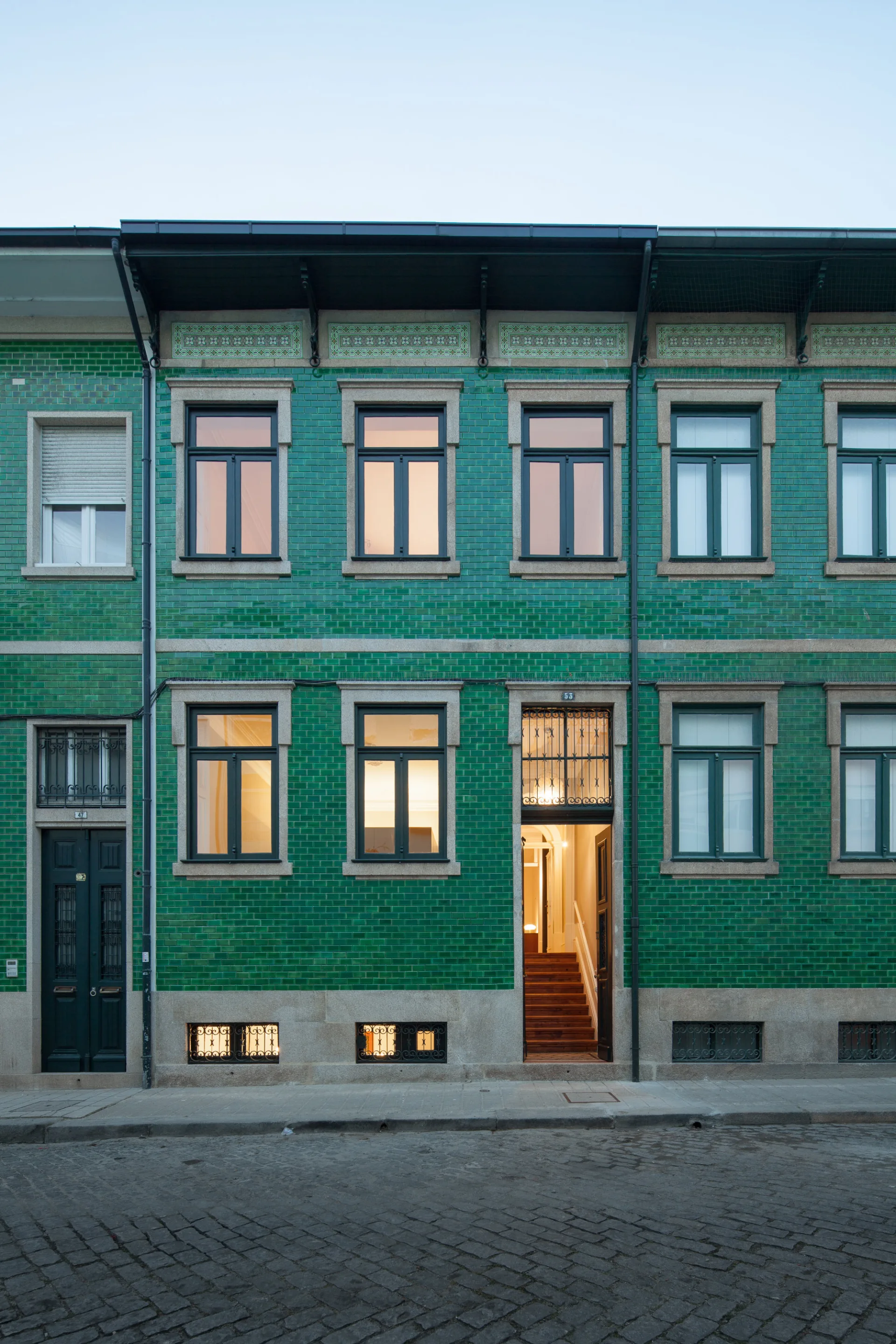
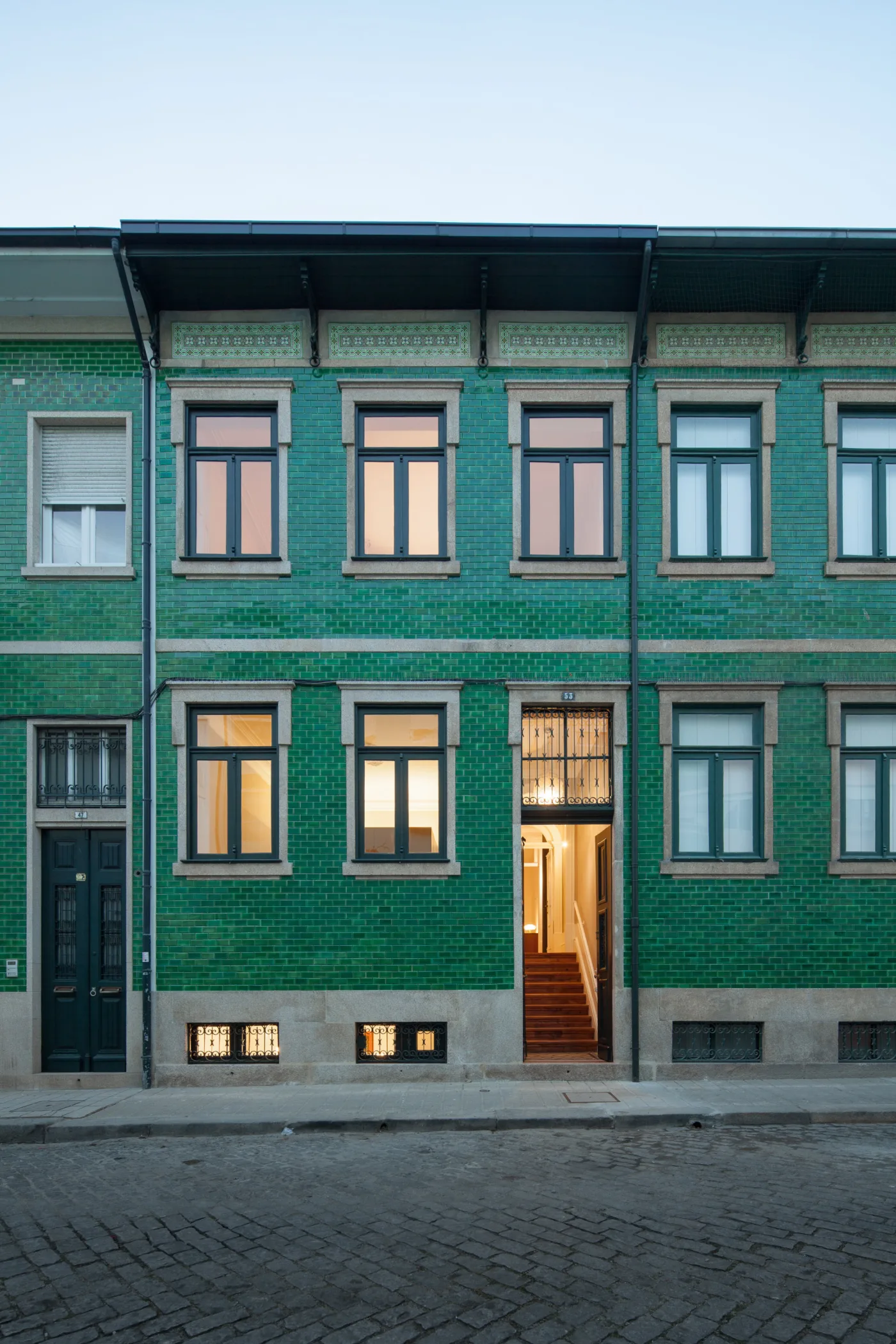
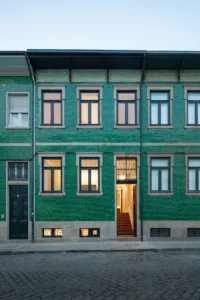
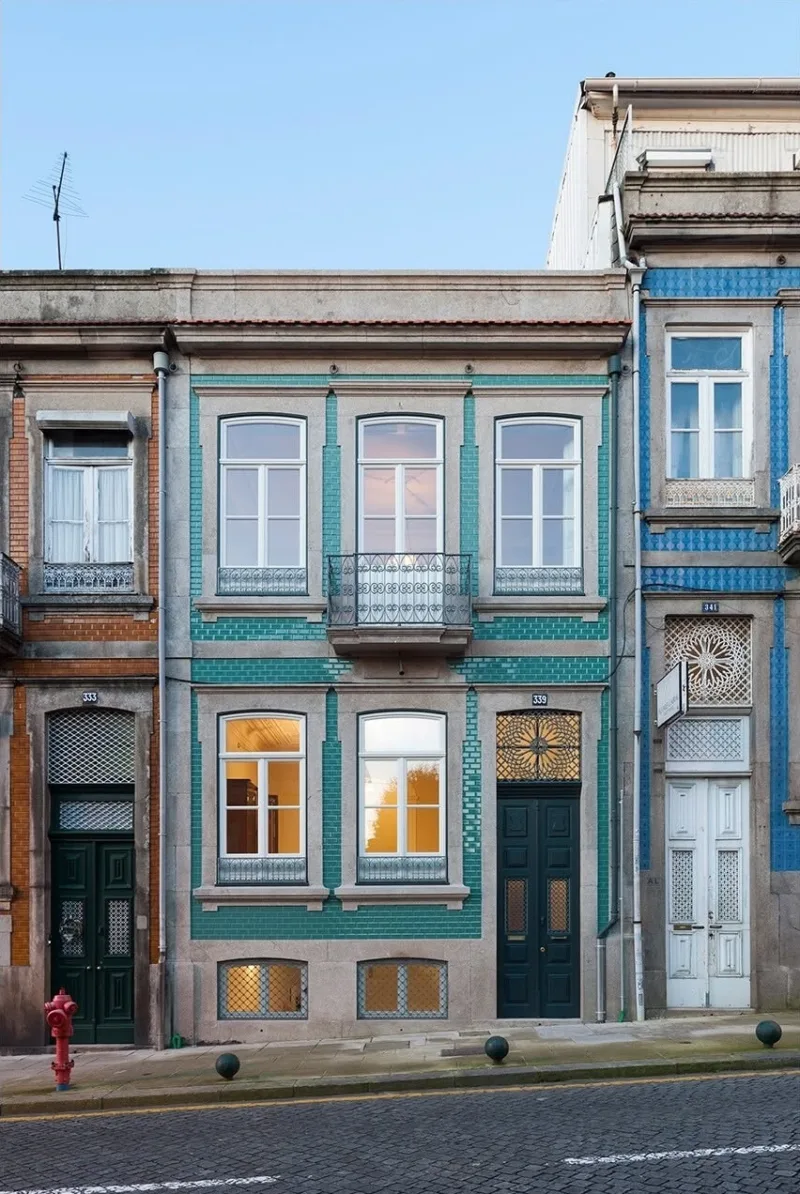
NCREP carried out the structural survey and the corresponding intervention design for a single-family dwelling located in Porto, built in 1915 and representative of the city’s bourgeois architecture. The study enabled the characterisation of the building’s structural system, the assessment of its condition and the definition of intervention solutions compatible with the preservation of its architectural and constructive features.
Concept & Challenge
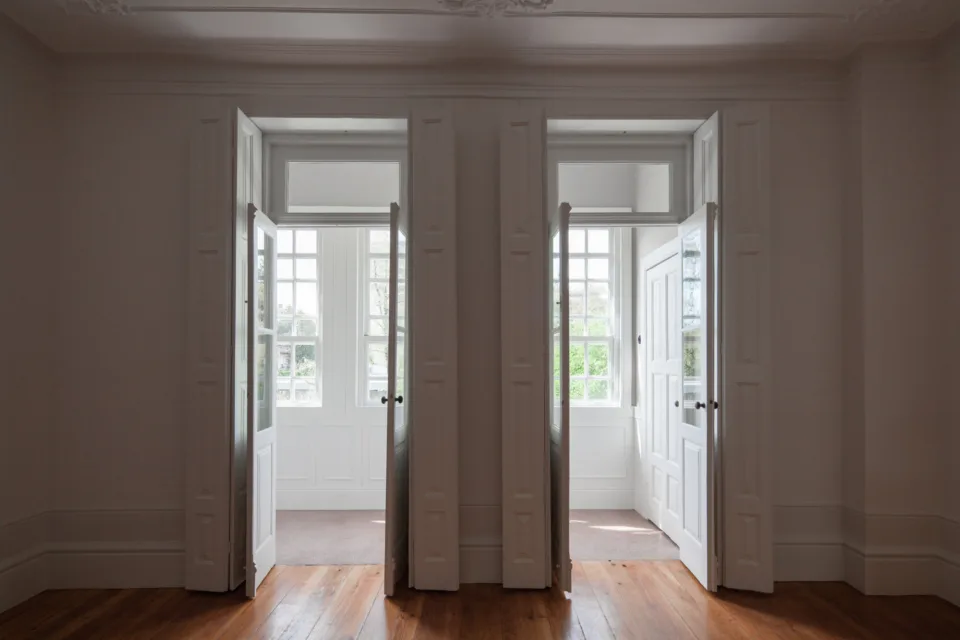
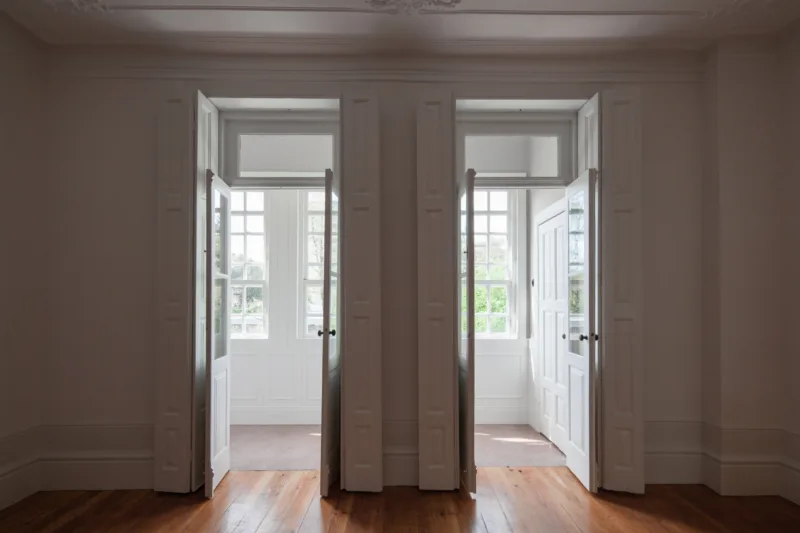
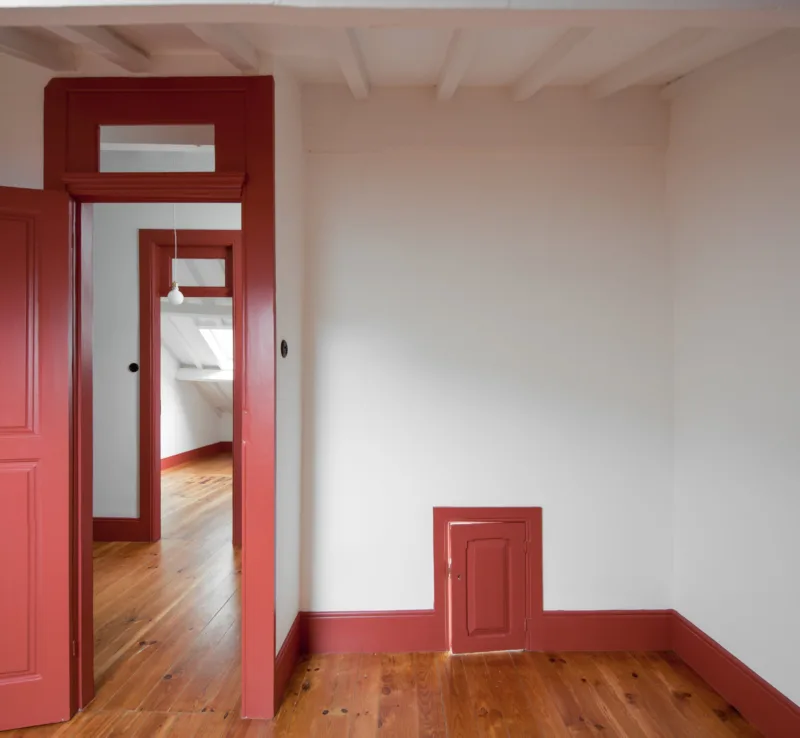
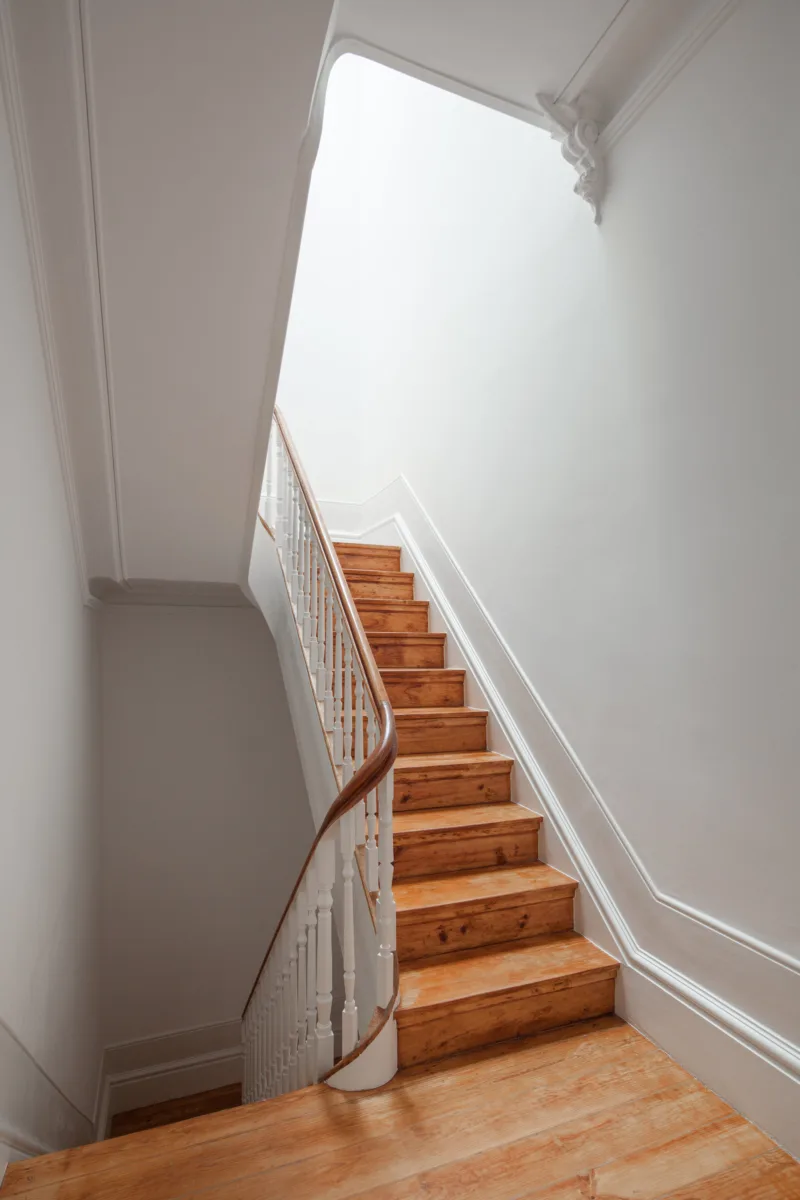
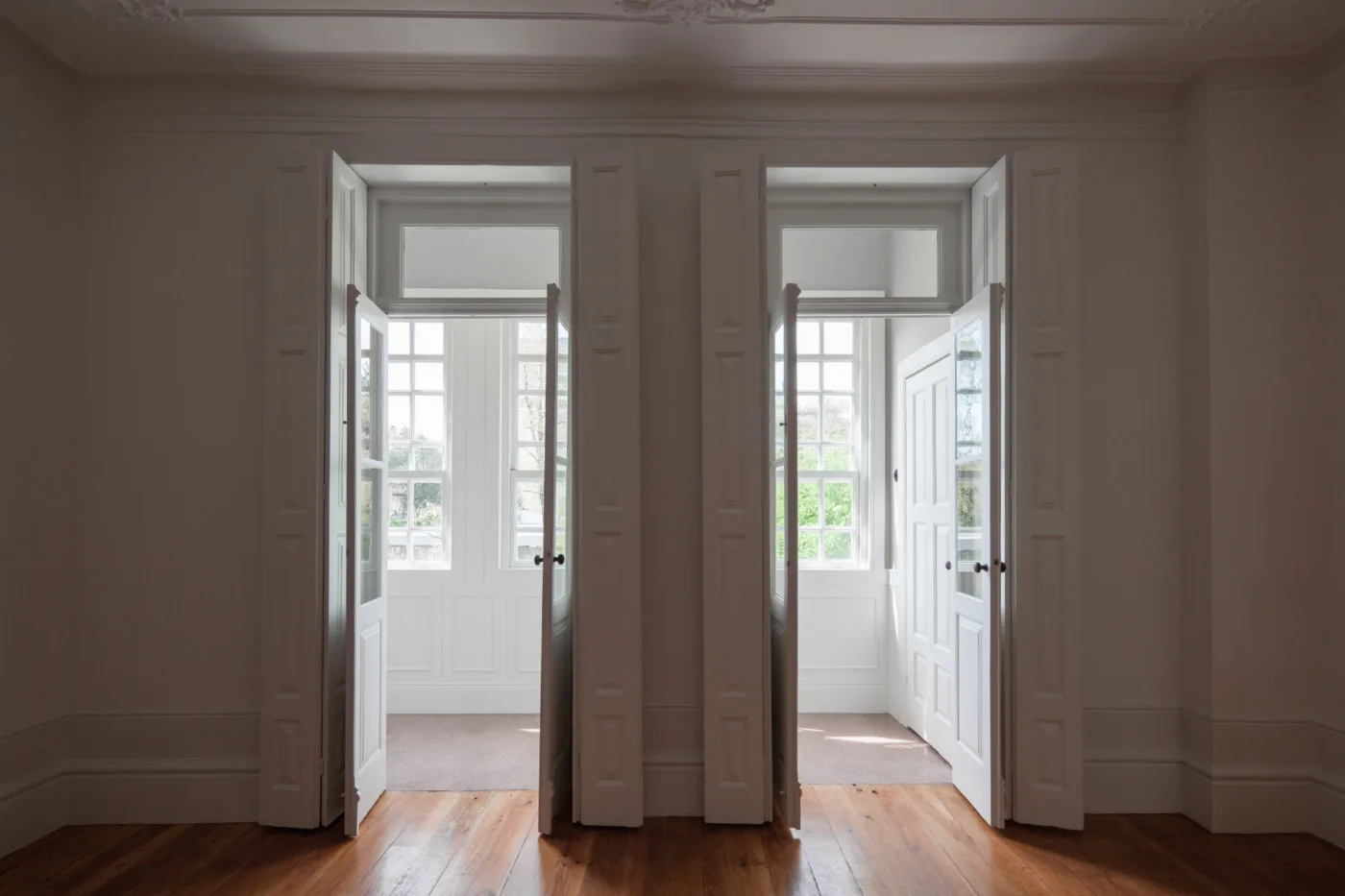
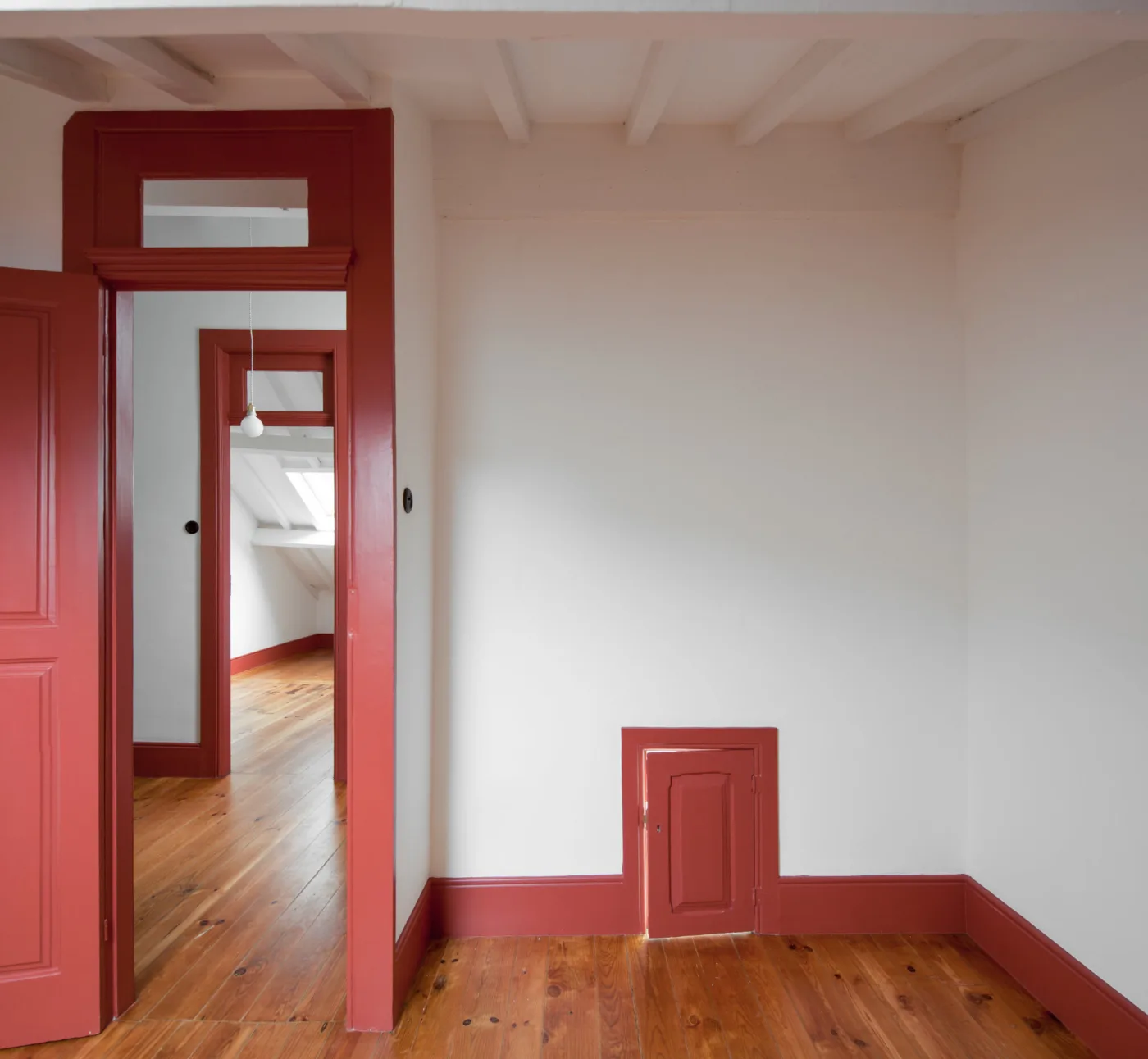
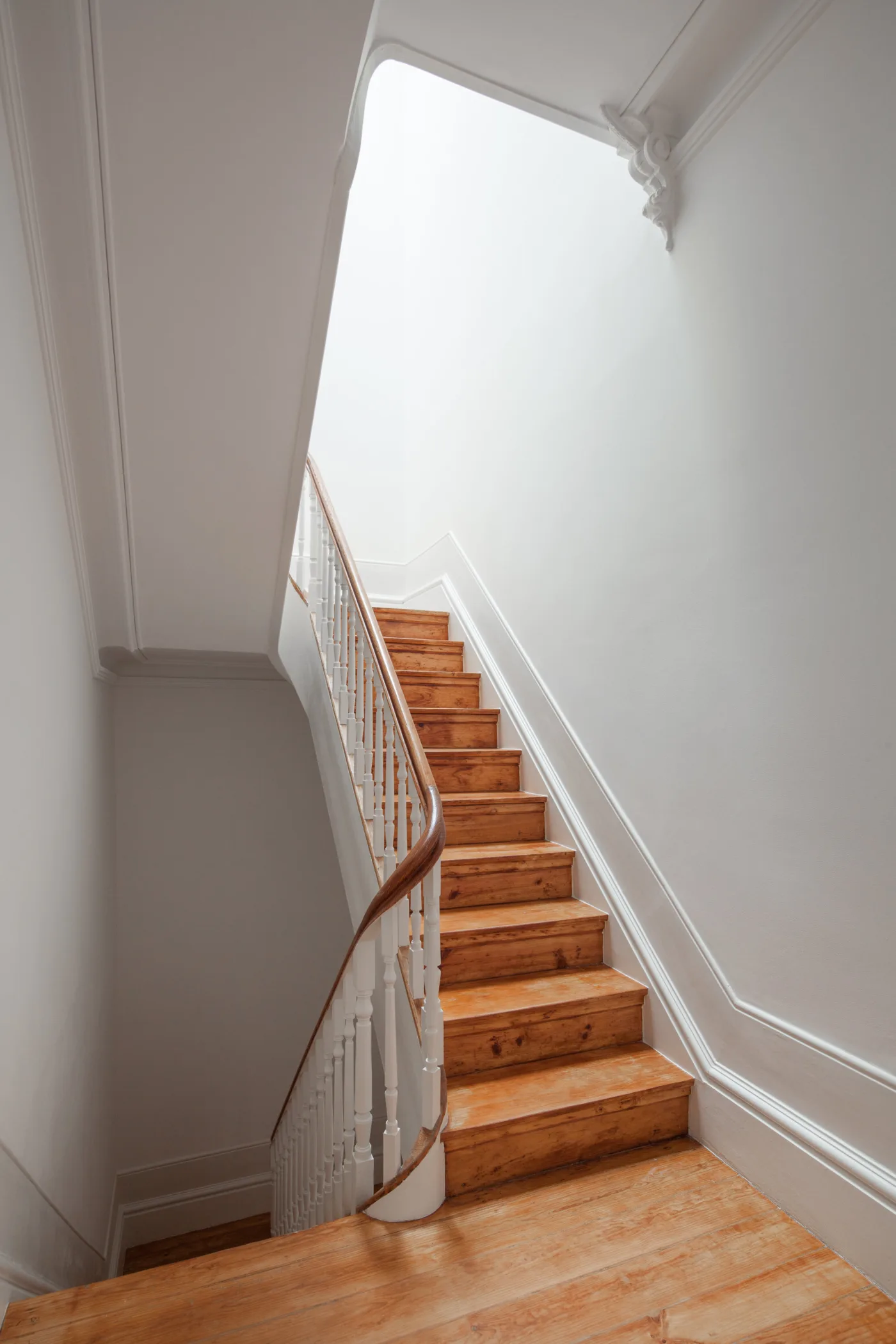
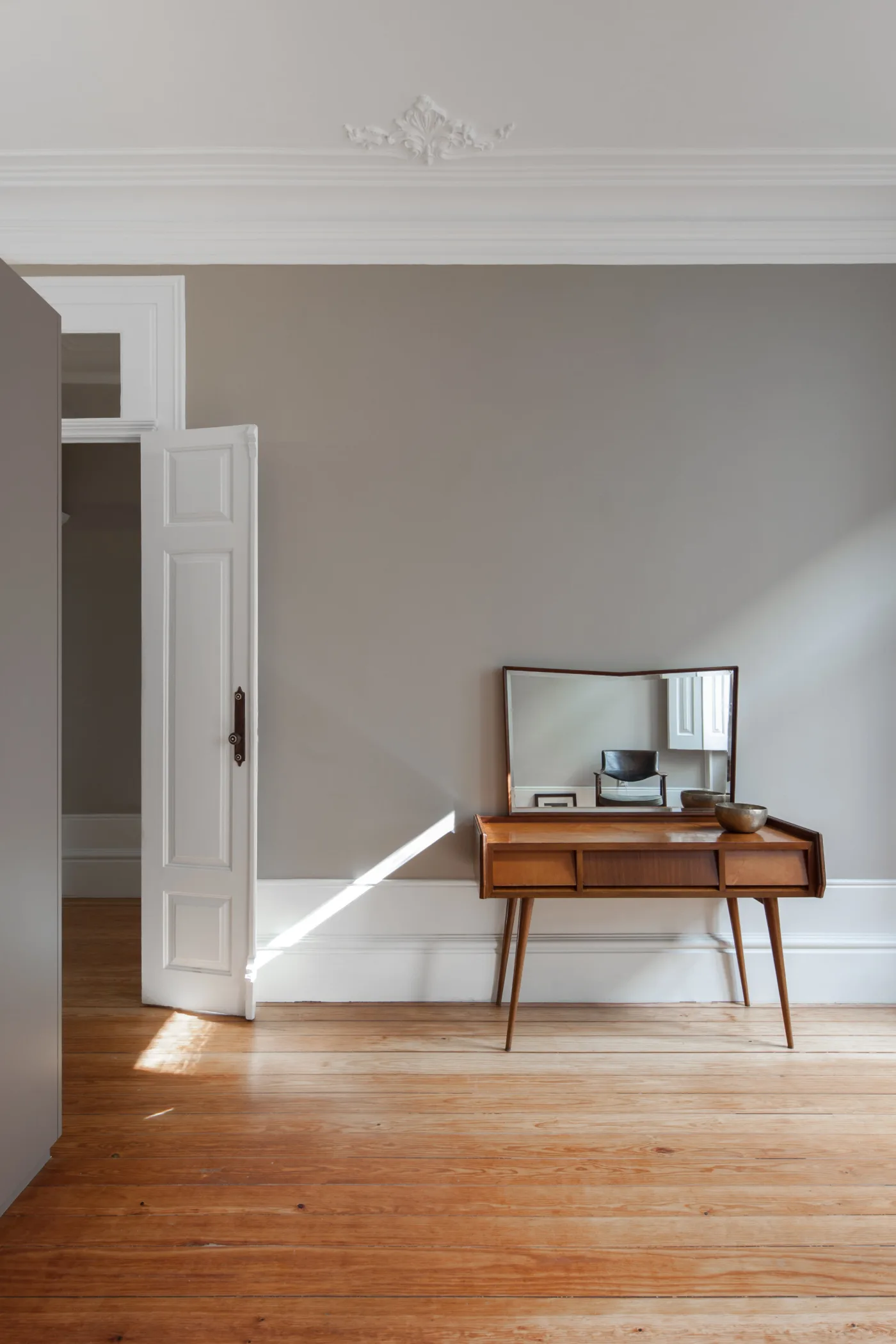
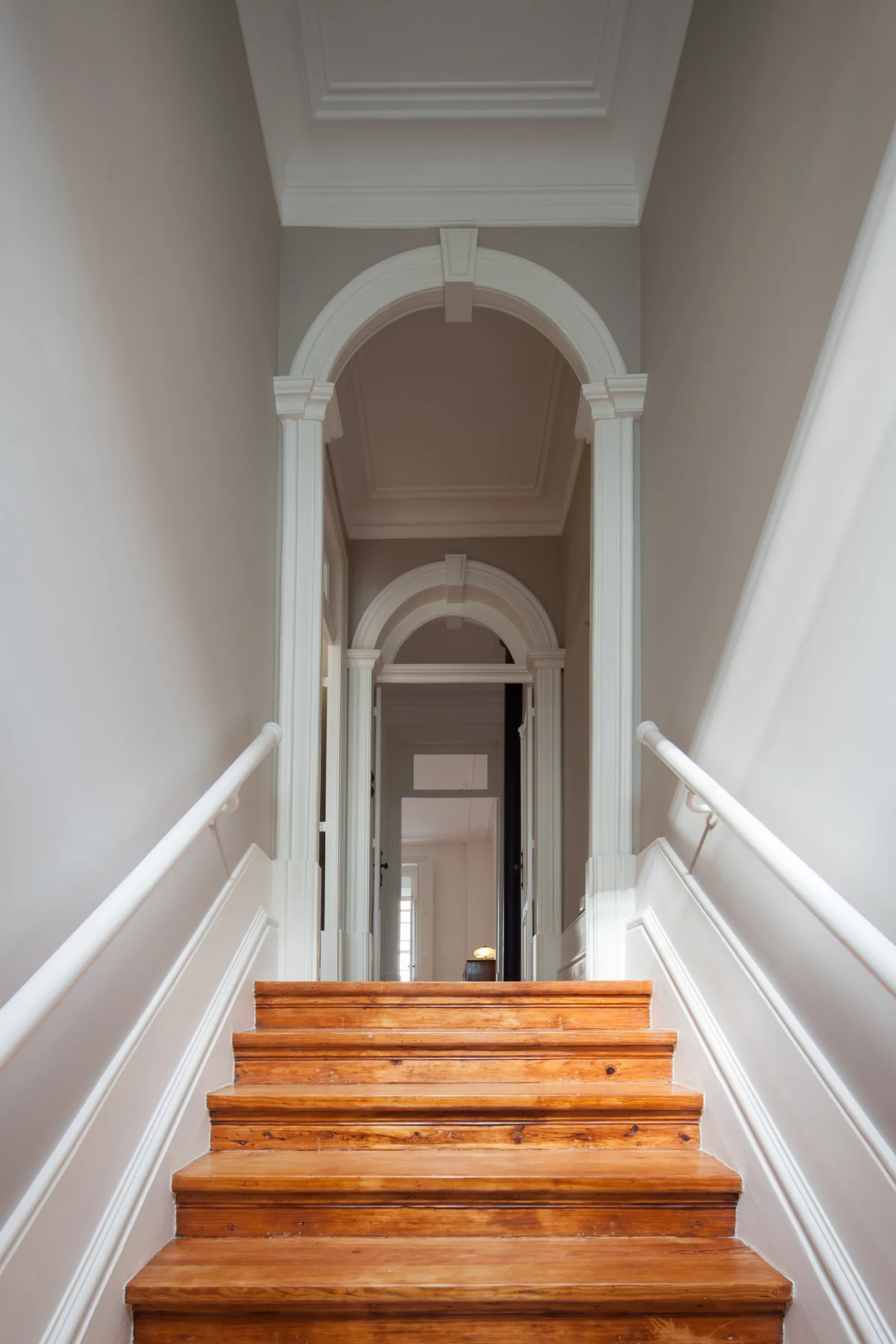
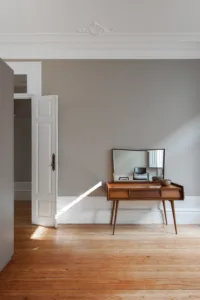
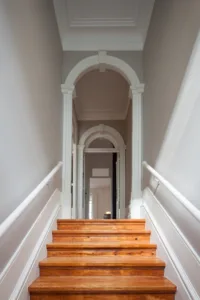
Boavista House, set on a narrow and deep plot with four storeys, dual façades and a rear garden, was generally in good condition and retained a significant number of original architectural and decorative elements worthy of preservation. The challenge was to reconcile structural intervention with the enhancement of the existing fabric, ensuring the adaptation of the house to new functional requirements without compromising its architectural and constructive identity.
Approach & Methodology
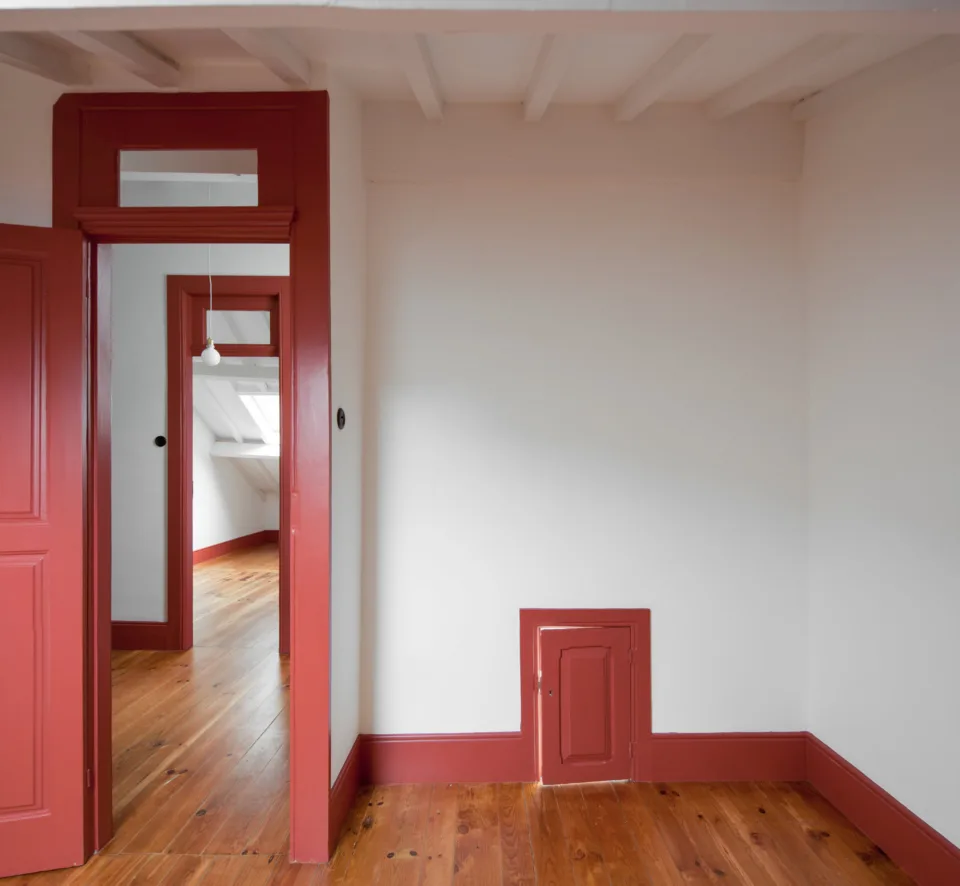
A structural survey campaign was carried out, incorporating Non-Destructive (NDT) and Semi-Destructive (SDT) testing, complemented by the selective opening of inspection windows to validate results. Investigations were undertaken by sampling ceilings, floors and walls, always seeking to minimise impact on existing elements. This approach allowed for an accurate understanding of the building’s structural configuration, the assessment of its condition and the precise definition of intervention needs.
Solution & Results
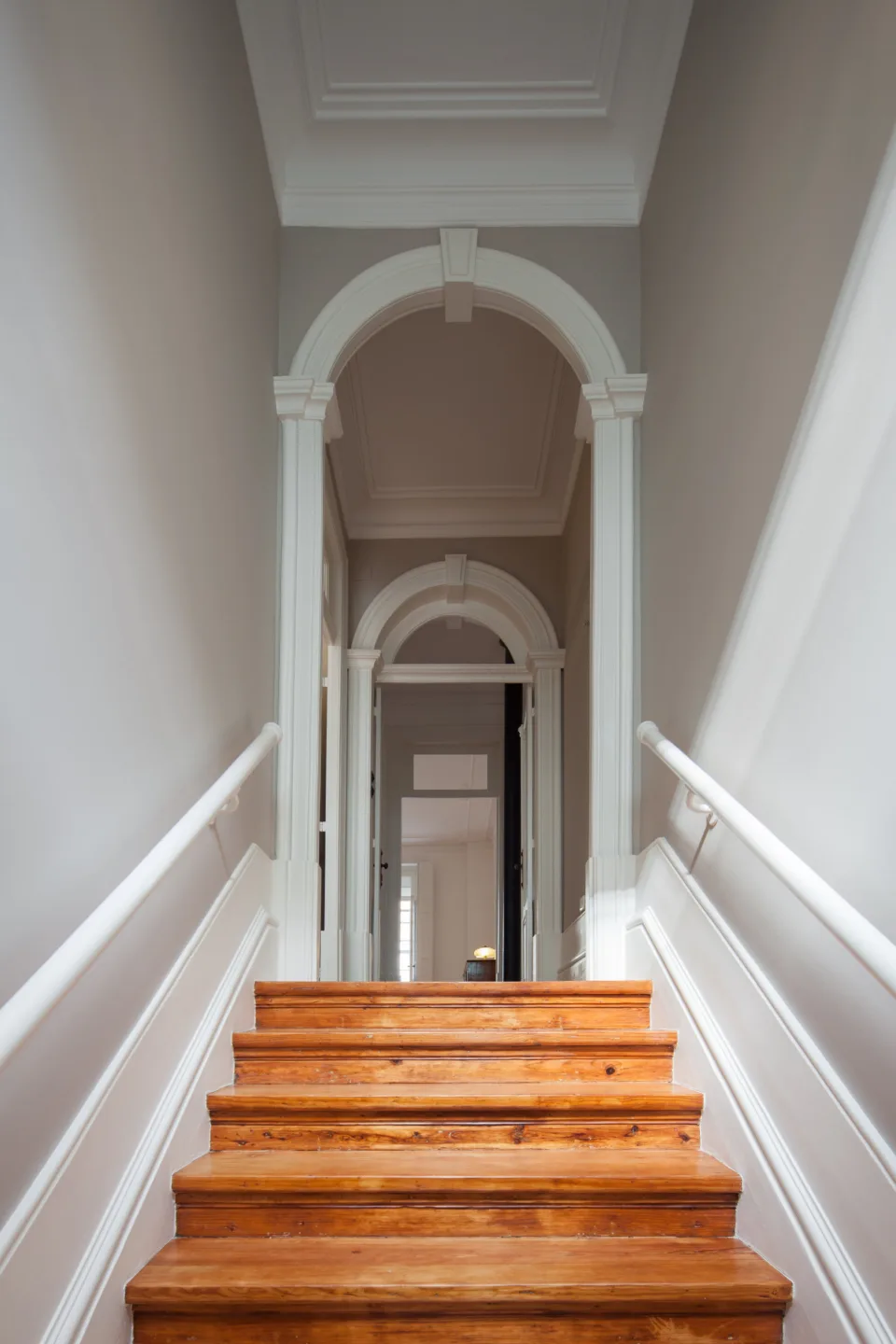
The structural survey concluded that the building was overall in good condition, requiring only localised strengthening measures. Based on this assessment, the structural intervention design was developed, incorporating the necessary rehabilitation measures and the structural design of the new areas introduced, ensuring safety, compatibility with the existing structure and appropriate adaptation to new usage requirements.
The preservation and enhancement of the existing elements enabled an efficient intervention in terms of time and resources, while maintaining architectural coherence, functionality and respect for the built heritage.
Related projects
Looking for specialized structural consultancy for your project?
Need to inspect, assess the safety of, or intervene on a building or structure? Our team is ready to help.